Growing up in a dysfunctional family can leave lasting emotional scars, but healing is possible. If you’ve experienced this, it’s important to acknowledge that your upbringing wasn't your fault. You didn’t deserve the neglect, the emotional abuse, or the sense of inadequacy that came with it. Healing begins when you release the guilt and recognise that the fault lies with those who were supposed to nurture you, not with you.
Understanding Dysfunctional Families
Dysfunctional family systems often feel “normal” to those living in them, making it hard to define their toxicity. Shame permeates every aspect of life in such families, leaving you feeling unworthy or inadequate. As a child, this shame is internalized because children lack the ability to critically assess their environment. When repeatedly told they are "bad" or "not good enough," children grow up blaming themselves for their emotional pain.
But let me tell you—it's not your fault.

The Weight of Shame and Guilt
In families that hide their dysfunction through secrets and denial, shame festers. You may have grown up believing you deserved the mistreatment, convinced that something was inherently wrong with you. But this shame doesn’t belong to you; it belongs to the dysfunction that surrounded you.
As an adult, it’s crucial to recognize that your parents' failures don’t define your worth. Their behaviour wasn’t because you were unlovable or inadequate—it was because they were. This realization is a pivotal step in your healing journey.

The Lingering Effects of Dysfunction
Dysfunctional families leave deep imprints on their children, shaping how they interact with the world. You may struggle with trust, emotional intimacy, self-esteem, and mental health. These experiences can follow you into adulthood, manifesting as perfectionism, oversensitivity, or even substance abuse. The effects are real, but they don’t have to control your life.
You Can Heal from Dysfunction
Healing from a dysfunctional upbringing might seem overwhelming, but it’s entirely within your reach. The first step is understanding that your childhood wasn’t your fault, and no matter how hard you tried, you couldn’t change your family. Accepting this truth frees you from the endless cycle of trying to “fix” the dysfunction around you.
It might also mean distancing yourself from those who continue to pull you back into that painful space. Remember, you have the right to protect your peace and emotional wellness

Letting Yourself Feel Again
In dysfunctional families, emotions often get buried. You may have learned to suppress feelings, thinking they didn’t matter. But your emotions do matter—every single one of them. You don’t need anyone else’s validation to feel what you feel. The key to healing is reconnecting with those emotions and understanding their importance. By doing so, you’ll break down the walls of shame and begin to build trust, vulnerability, and meaningful relationships.
Taking Back Your Power
You can’t change the past, but you have the power to transform your present. The emotional pain of your childhood doesn’t have to dictate your future. By working through the remnants of that past, you can reclaim control and create a life filled with peace, self-love, and fulfillment.
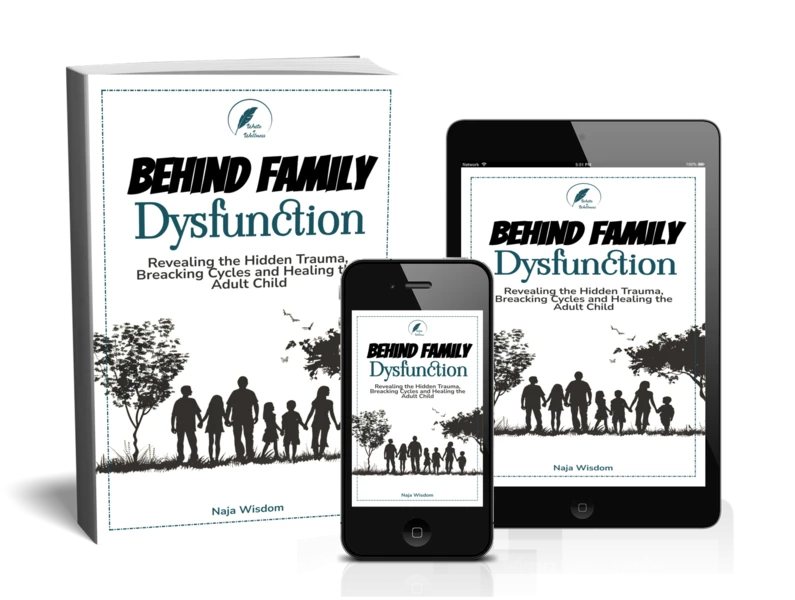
If you’re ready to dive deeper into your healing journey and finally release the shame that has held you back, my ebook Behind Family Dysfunction is here to guide you. It offers practical steps to move beyond your upbringing and unlock the emotional freedom you deserve. Take the next step toward healing today.
Get your copy of Behind Family Dysfunction and start reclaiming your life.